Integrated Community Hubs: The Future Of Singapore Living

There was a time when community centres in Singapore felt very... intentional.

You went there because you had something on - badminton night, a dance class, a grassroot meeting, maybe a family event booked weeks in advance. Otherwise, you probably didn't think much about them at all.
Source: https://remembersingapore.org/2013/03/24/history-of-community-centres/
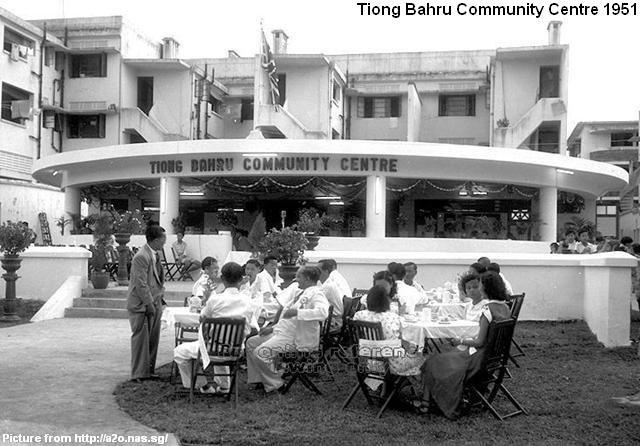
Singapore's relationship with community centres stretches back to the early post-war years, when neighbourhood halls were conceived as modest gathering points rather than lifestyle destinations. In the early 50s, centres such as those in Tiong Bahru, Serangoon, and Siglap began emerging as simple spaces for residents to come together - whether for social activities, informed learning, or recreation.
These early centres were functional by design, often community-funded and volunteer-supported, reflecting a period when building social cohesion was just as important as building physical infrastructure. Over time, they became familiar fixtures within housing estates - reliable, practical and quietly central to neighbourhood life.
That model worked for its time. But somewhere along the way, community centres began to change - quietly, almost without announcement. Today, many of these spaces no longer feel like places you go out of your way to visit. Instead, they are woven into daily routines, sitting right where life already happens.
Once you notice this shift, you can't quite unsee it.
Traditionally, community centres were standalone buildings designed for specific activities - function rooms, sports courts, activity studios. In their earlier decades, they functioned as structured neighbourhood spaces where activities were planned, timetabled, and purpose-driven. Residents didn't casually drop by; they attended programmes, classes, or events that were organised around fixed schedules.
In the 50s and 60s, these centres played a practical but important role. They offered affordable recreation, basic enrichment programmes, and a common space for neighbours to gather at a time when Singapore was still building its social fabric. As public housing estates expanded and HDB towns evolved in the 60s, community centres also became key touchpoints for fostering cohesion across increasingly diverse estates.
By the 90s, however, expectations had shifted. As lifestyles became faster-paced and more urban, residents wanted more than just scheduled activities. Community centres began evolving - adding retail elements, food options, and broader programmes - to stay relevant to a population that valued convenience and everyday accessibility.
Maps are powered by streetdirectory.com
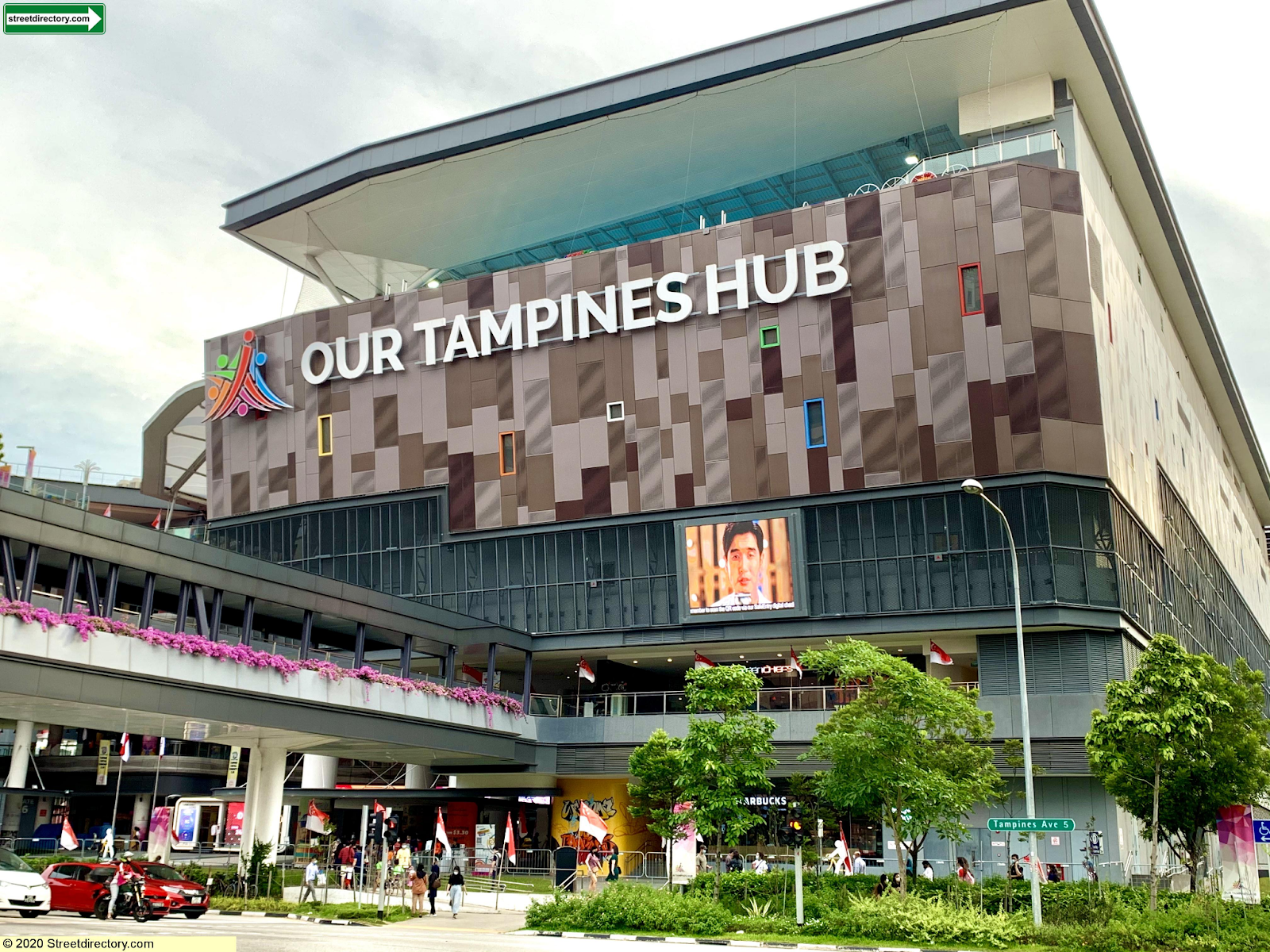
Fast forward to today, and the experience is fundamentally different. Many community centres are now embedded within mixed-used developments, sitting alongside MRT stations, shops, libraries, clinics, and food options. One of the earliest and most recognisable examples is Our Tampines Hub, which brought sports facilities, a library, retail spaces, and government services together under one roof - making community life something you encounter naturally as part of your day.
Other hubs such as Heartbeat@Bedok, with its sports centre, library, and healthcare facilities, and One Punggol, home to Singapore's largest public library and a major hawker centre, show how community centres have evolved into true lifestyle destinations.
At some point, I realised I was spending time in these spaces without consciously thinking of them as "community centres" at all. They were just part of the flow. Community interaction, in this model, happens almost by accident - and that's precisely why it works.
This shift didn't happen randomly. It reflects how Singaporeans live today.
Our days are fuller, schedules tighter, and expectations higher. Convenience is no longer a bonus - it's essential. We value walkability, efficiency, and spaces that allow us to do more in less time.
Instead of carving out separate blocks of time for "community activities," interaction now happens in the in-between moments - before dinner, after work, while running errands. In many ways, this is urban design finally catching up with real behaviour.
Over time, these integrated hubs do more than shape daily routines. They influence how neighbourhoods age, retain relevance, and continue to feel desirable - anchoring liveability in a way that supports long-term resilience rather than short-term convenience.
Integrated community hubs reflect deliberate planning - recognising land constraints, changing lifestyles, and the importance of social cohesion. By clustering amenities together, planners reduce travel time, increase accessibility, and encourage more organic interactions.
This approach is becoming even more pronounced in upcoming developments. A clear example is the proposed integrated development at Kampong Kembangan, located beside Kembangan MRT station. Plans include about 340 BTO flats alongside a new and larger community club, retail shops, a supermarket, and an outpatient healthcare facility, all housed within a single mixed-use complex. A neighbourhood park and improved transport connections are also part of the plan, reinforcing the idea that housing, amenities, and community life are no longer treated as separate pieces.
Other future hubs such as Chong Pang City in Yishun show just how far this thinking has progressed. The existing neighbourhood is set to be redeveloped into a multi-storey integrated hub that brings together an upgraded market and hawker centre, a new community club, shops, and daily services, alongside sports and leisure facilities including swimming pools. Designed as a central gathering point for the wider neighbourhood, the development aims to make everyday errands, exercise, and community interaction part of a single, seamless experience rather than separate trips.
These hubs become social anchors. They're places you pass through, pause at, and return to without much thought. Sometimes, it's only when you step back that you realise how thoughtfully these spaces shape everyday experience.
Jurong offers an interesting glimpse into what highly integrated living can look like. Beyond its cluster of transport nodes, shopping malls, and civic amenities, the area has been deliberately planned around walkability, shared spaces, and everyday convenience.
At the heart of this is Jurong East's elevated J-Walk pedestrian network, which links the MRT station with major malls, offices, healthcare facilities, and surrounding developments. This seamless connectivity allows people to move easily between work, errands, and leisure without relying heavily on cars, encouraging foot traffic and everyday interaction.
Around this walkable core, amenities are organised as activity nodes rather than isolated buildings. Areas near the former JCube precinct function as mixed-use hubs where grocery shopping, meals, lessons, banking, and public services sit alongside one another. Nearby, Jurong Lake Gardens and the regional library extend this experience with generous public and green spaces that draw families, students, and seniors into shared, multi-generational environments.
Taken together, this blend of connectivity, daily services, and inviting public spaces gives Jurong East the feel of a 15-minute neighbourhood, where work, leisure, and community life naturally overlap. Jurong feels less like a district built around destinations, and more like one organised around daily behaviour - an intentional planning experiment that prioritises how people actually move, linger, and live.
Personally, I find Jurong both energising and thought-provoking. It shows how thoughtful integration and placemaking can inject vibrancy into an area, while raising an important question: will this model become a blueprint for other estates, or will future hubs adapt these ideas to better reflect each neighbourhood's character?
It's likely that we'll see more integrated community hubs across Singapore - but not in a copy-and-paste manner. Different estates have different rhythms, demographics, and expectations. Integration doesn't automatically mean bigger or busier; it can also mean smarter, more efficient use of space tailored to local needs.
Planned developments such as a larger Joo Chiat Community Centre, which will include a performing arts theatre, and the upcoming Toa Payoh Integrated Development, set to house sports facilities, a library, and a polyclinic, suggest that community hubs will continue to expand in purpose - not just as social spaces, but as cultural and civic anchors.
What feels clear is the direction of travel. Community spaces are no longer add-ons. They are being designed as integral parts of everyday life - shortening travel time, encouraging spontaneous interaction, and making neighbourhoods feel more connected.
Community centres in Singapore haven't disappeared. They've evolved.
From quiet halls with scheduled activities, they've transformed into integrated hubs that fit seamlessly into modern living. They reflect how we move, work, and interact today - without trying too hard to force connection.
Perhaps the best community spaces are the ones you barely notice at first. They simply work, quietly supporting everyday life.
In that sense, the most successful neighbourhoods aren't the ones that shout for attention - they're the ones designed so well that community happens almost by accident. And when planning becomes invisible, that's often when it's done right.
Views expressed in this article belong to the writer(s) and do not reflect PropNex's position. No part of this content may be reproduced, distributed, transmitted, displayed, published, or broadcast in any form or by any means without the prior written consent of PropNex.
For permission to use, reproduce, or distribute any content, please contact the Corporate Communications department. PropNex reserves the right to modify or update this disclaimer at any time without prior notice.


Oh no!
Enjoy our Content?
If it is of any consolation, know that you are not alone in this real estate journey. Let us show you the way to make this journey an interesting and enjoyable one!
Suggested Reads

Upcoming Events
View more

You may like

Resale Landed Market Watch In March 2026
April 29, 2026

A Fresh Take on City Living at Bukit Timah Turf City
April 29, 2026

When going to work means being part of a community
April 28, 2026

Bayshore Vs Tengah: Where Should You Make Your First Move?
April 24, 2026

How Tourism Affects Real Estate
April 23, 2026

Resale Condo Market Watch in March 2026
April 22, 2026